

How To Solve Wine Bottle Puzzle
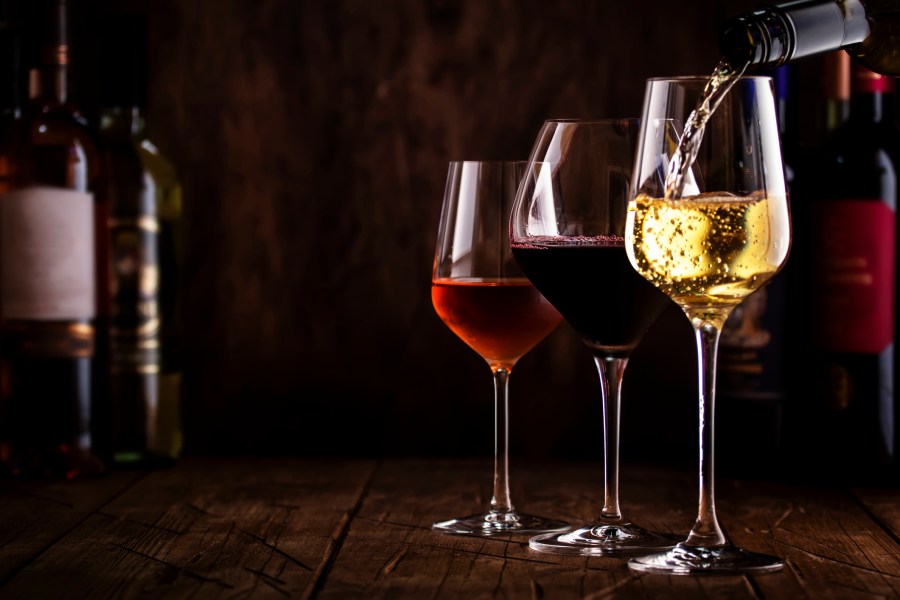
How many glasses are in an average canteen of vino? Well, that depends on the amount of wine and the size of the glass. The standard wine bottle today holds around 750ml or ane.five liters. This is the equivalent of five glasses of wine, give or take a drinking glass depending on the size of the pour. Yet, a more interesting way to respond this question is to wait at the history of the wine canteen.
Wine has been made and enjoyed for thousands of years, and vino storage methods accept evolved correct aslope information technology. In the early on days of wine, bottles were much smaller than they are today. This was partly because the wine was made in smaller batches and partly because wine glasses were as well much smaller. As wine production increased and wine glasses got bigger, so did wine bottles.
Nowadays, vino is produced on a much larger calibration, and vino bottles come up in all sorts of shapes and sizes. Read on to learn more about the history of vino bottles, as well as the vessels that came before them, and the ones presently emerging alongside them.
In the beginning: Clay Qvevri
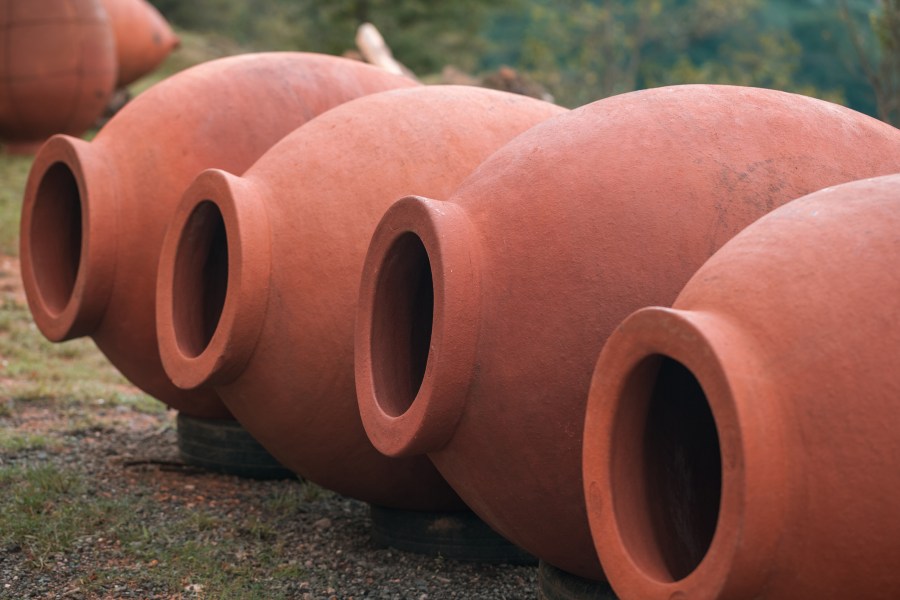
The history of wine bottling dates back to 6000 BC, before the invention of the glass. In Georgia, the pop Qvevri winemaking technique was widespread. The Georgians utilized earthenware vessels known as Qvevri to manufacture, ferment, and store wine. These vessels were coated with beeswax which delayed oxidation and prevented crack formation.
The Qvevri is a clay container with a broad base of operations and a tiny elevation that is shaped like an egg. To extract grape must for winemaking, the Gregorian vino masters traditionally used a wooden wine press. They then poured the must into the Qvevri and filled it to a three-quarter capacity. After that, they buried the vases leaving but the rim to a higher place ground. In one case the wine was ready, the Gregorians would temporarily movement it to a smaller Qvevris for aging. This practice led to the product of wine with a tannin sense of taste.
Although the practice seems to have been discontinued years ago, a few Italian and Georgian winemaking artists still embrace information technology. In fact, the Qvevri winemaking process is soon listed equally ane of the culinary traditions recognized by UNESCO.
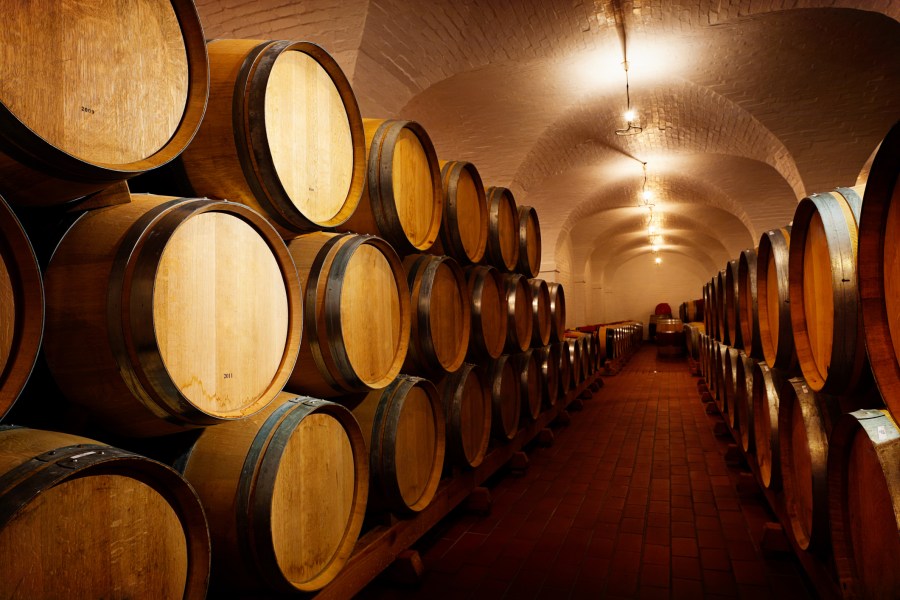
Wine storage soon transitioned from clay to woods through the use of wooden barrels. Wooden barrels are believed to have been invented by the Celts. After interacting with the Gauls during the Iron Age, the Romans discovered their concept of storing beer in barrels and adopted the practice.
In the process, the Romans realized that each type of wood significantly contributes to wine maturity in terms of tannins and flavor. Traditionally, most barrels were fabricated of oak wood, owing to its lite properties. To engagement, oak is however the forest of option as it contains a mix of chemical compounds that contribute to the toasty aroma of the wine.
The wooden barrels were an iteration of the then existing haustrum buckets. Winemakers in France removed the handles from the haustrum buckets creating an open barrel. The barrels did not take a lid during fermentation. This was to forbid the barrel from exploding due to the build-up of carbon dioxide during fermentation. Subsequently the wine matured, the vino masters would place a lid on the butt and nail it shut.
Today, some winemakers still utilise wooden barrels for the storage of vino, due to their convenience in storing large quantities of vino. Additionally, y'all can easily curl a filled barrel to its storage betoken. A standard vino barrel tin can concord about 225 liters of wine, which is 750 glasses of vino on a standard pour.
Drinking glass Blowing and Bottles Evolve
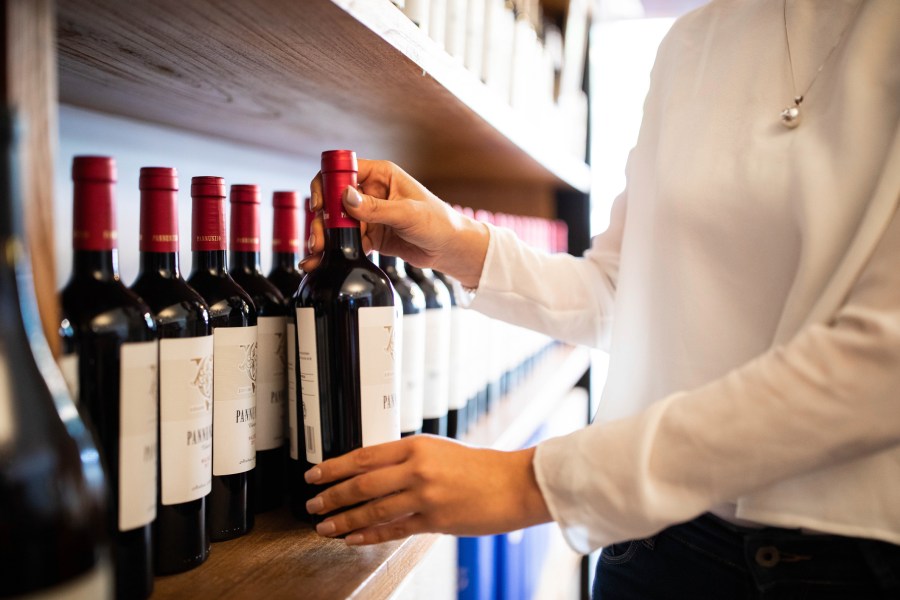
In the 17th century, wine storage soon transitioned from woods to glass storage. The introduction of the coal furnace significantly paved the way for drinking glass manufacture. Notably, wine barrels were even so normally used for storage, but the vino was later transferred to the glass bottles for sale to consumers.
Wine connoisseurs attribute the kickoff wine canteen to Sir Kenelm Digby, who is believed to exist "the begetter of the modern bottle." Initially, the bottles had a pear shape with brusque necks and fatty bottoms. Over time, the bottle's blueprint evolved to slimmer shapes. Information technology wasn't until the 1820s that wine bottles started to resemble the modern shapes we accept today.
Crazy for Corks
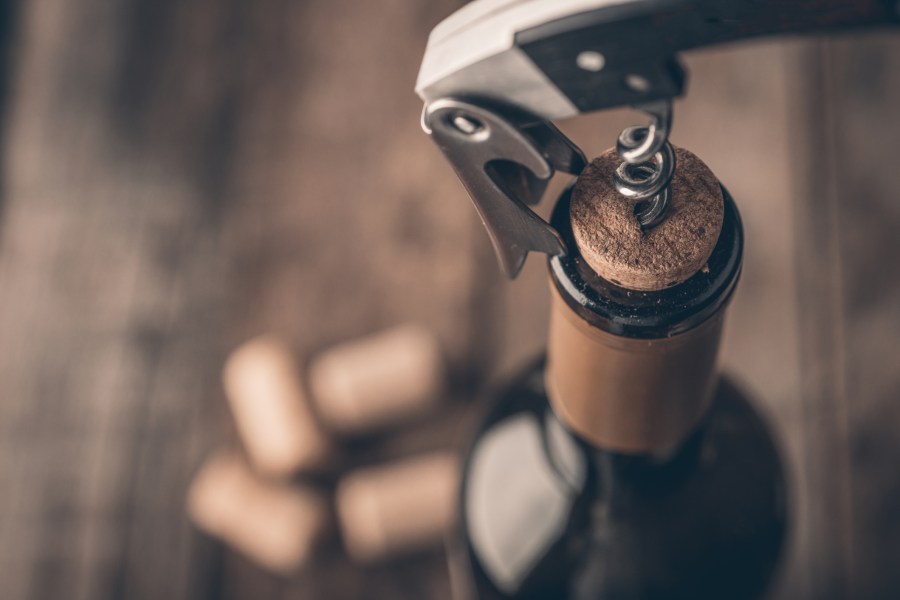
Wine corks were popularized shortly later glass wine bottles hit the scene. Prior to the invention of wine corks, winemakers would seal wine using glass. However, glass corks soon became obsolete because they would often break during opening or re-sealing.
Wooden wine canteen corks are still in use today and are made from Quercus suber, a type of oak tree. The tree's bawl is harvested for cork production later it attains the maturity age of fifteen to 25 years. Subsequently a harvest, the bark regrows in preparation for the next harvest. The tree is commonly found in Spain, Portugal, North Africa, France and Italian republic.
Modernistic Vessels: Boxes and Cans
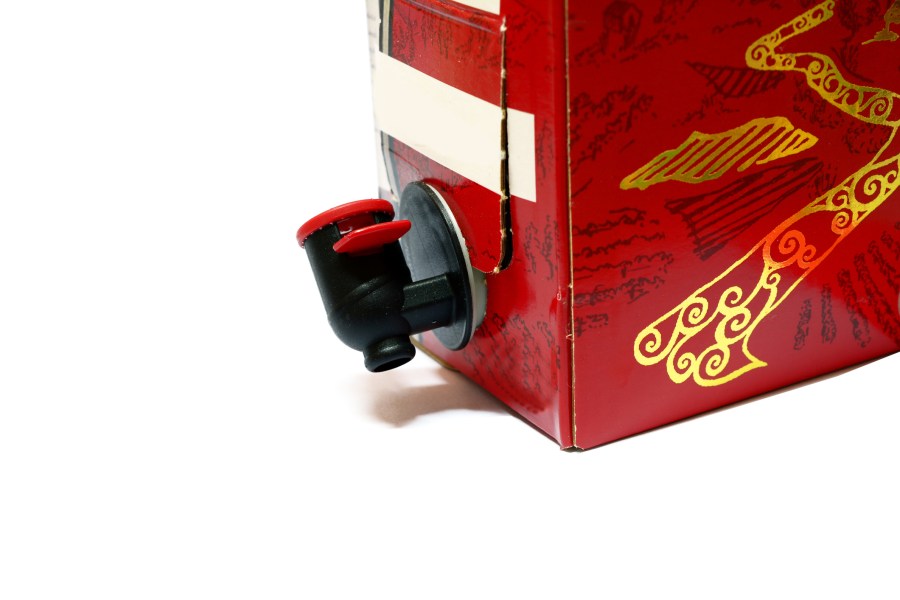
Commercial wine-making is now experimenting with various means of packaging wine for auction to consumers. Mutual types of storage packs you tin observe are vino pouches, plastic bottles, metal cans and bag-in-a-box containers.
Most vino bottles use opaque glass bottles, which block the UV rays from the sun, while others opt for clear ones for visibility. However, glass bottles are a suitable option if you program to keep your wine for a longer period of fourth dimension. The glass bottles aid in the aging of wine every bit long equally information technology'southward properly corked.
How Many Glasses of Wine Are in a Bottle?
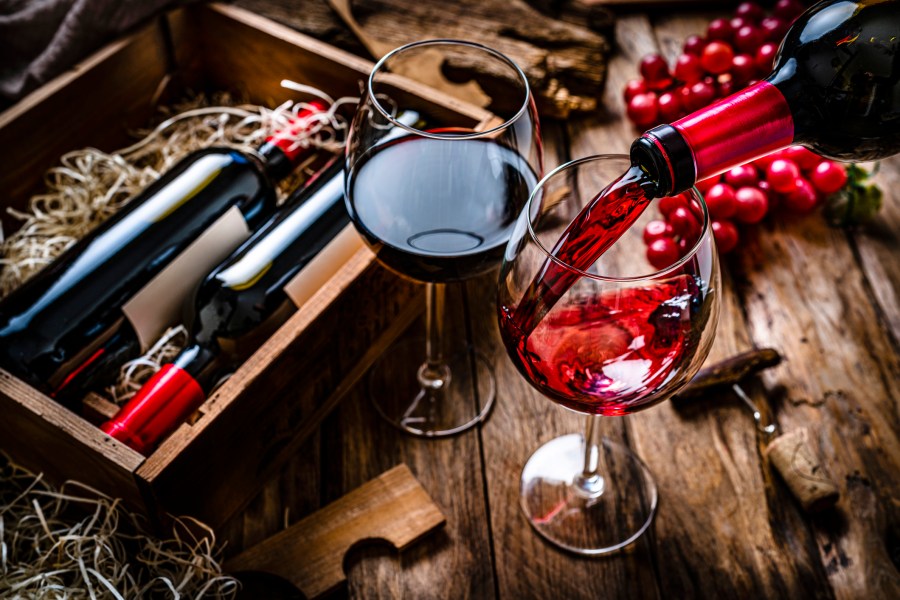
Typically, a standard 750 ml vino bottle will concur approximately five glasses. However, the serving varies with the type of vino and the alcohol content. For case, in Australia, winemakers declare the number of servings based on the alcohol content of the wine.
A bottle of Shiraz with 15% ABV (alcohol by volume) will have 8.nine servings. On the other hand, a bottle of High german Riesling volition take four.7 servings since information technology has viii% ABV. This explains why restaurants offer different wine servings depending on the type of wine you ask for. Wine bottles with a high alcohol content will have a small serving and vice versa.
Source: https://www.reference.com/world-view/how-many-glasses-of-wine-are-in-a-bottle?utm_content=params%3Ao%3D740005%26ad%3DdirN%26qo%3DserpIndex&ueid=4b825cdb-1976-4361-aae3-02e1b796c34f
0 Response to "How To Solve Wine Bottle Puzzle"
Post a Comment